

Kyphoplasty
Kyphoplasty is a minimally invasive procedure used to stabilize vertebral compression fractures and quickly relieve severe back pain. By restoring height to the collapsed vertebra and injecting medical‑grade cement for support, this treatment helps patients regain mobility, reduce discomfort, and prevent further spinal deformity. It is especially effective for fractures caused by osteoporosis, injury, or weakened bone structure, offering fast recovery and long‑lasting relief.
Kyphoplasty: Minimally Invasive Treatment for Compression Fractures
Compression fractures are painful breaks in the vertebrae that cause the spine to curve and create nerve pain due to nerve compression. These breaks can occur for a few different reasons, including injury, accidents, repetitive stress, osteoporosis, or as a side effect of spinal or bone cancer treatment.
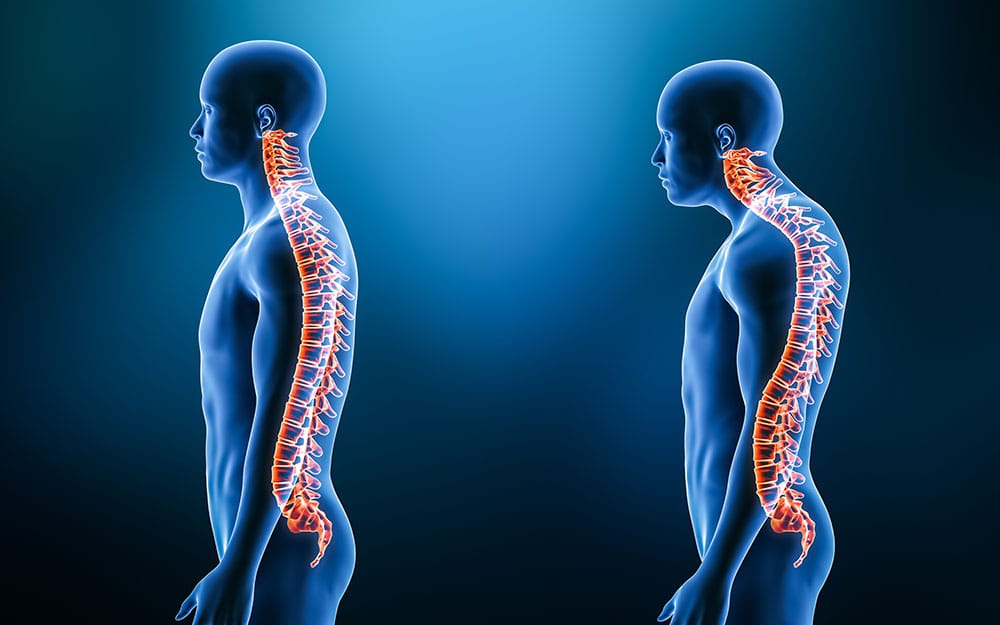
If left untreated, compression fractures will cause the compressed section of the spine to collapse, creating a condition called kyphosis. Patients dealing with kyphosis suffer from hunched-over posture, and the condition causes significant back pain that will worsen with time if left untreated.
At Renew Pain Solutions, we offer kyphoplasty as a minimally invasive option to treat this painful condition.
What Is Kyphoplasty?
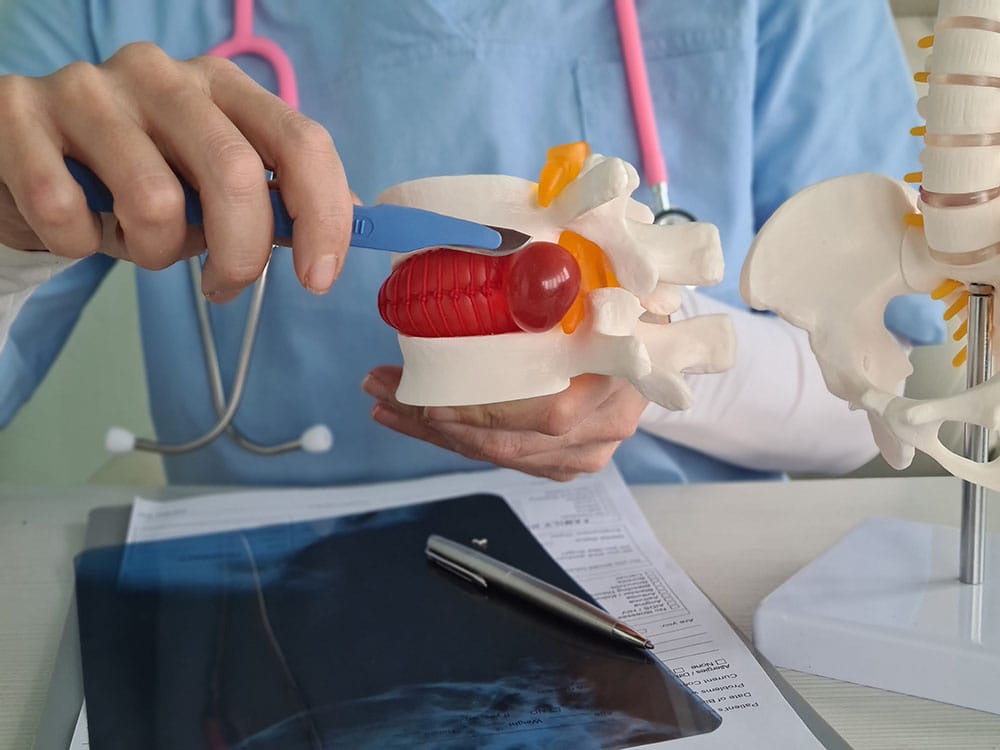
Kyphoplasty is a straightforward procedure that adds stability to the spine to compensate for the fracture. A balloon-like device is inserted into the compressed vertebrae. The device is then inflated, restoring stability and height to the area. Finally, once the spine is in the right position, your surgeon places bone cement into the device, which protects against further collapse and damage.
What to Expect During and After a Kyphoplasty Procedure
If your doctor determines that kyphoplasty is the right solution to your compression fracture, the procedure is fairly straightforward. You will arrive at the surgery center and be placed under general anesthetic or given mild sedation. Our team will discuss with you the best anesthesia option to help you stay comfortable throughout the procedure.
While you lie on your stomach, your surgeon places a thin, hollow needle called a trocar into the affected part of your spine. Throughout the procedure, X-ray imaging guides the surgeon in placing the needle correctly.
Because kyphoplasty requires no incision, you will likely be able to return home the same day as your procedure, but you will stay at the surgery center for monitoring for several hours after your procedure.
As the area heals, you can perform most of your daily activities, but you should avoid heavy lifting and strenuous exercise until the area has time to heal completely. We will work with you to determine when you can start taking part in these activities.
You should notice relief from your nerve and spine pain quickly, typically within 48 hours. That relief will continue to improve as the area heals. Some patients even experience immediate pain relief after the procedure.
Are You a Candidate for Kyphoplasty?
Because kyphoplasty is minimally invasive and highly effective, many patients who have compression fractures can benefit. We typically offer this procedure for patients who have extreme or worsening back pain due to a compression fracture, specifically when that pain is limiting them from enjoying their daily living activities.
Kyphoplasty works for patients who have compression fractures due to osteoporosis, spinal tumors, other types of cancer, or injuries. However, patients with additional factors contributing to their pain (such as arthritis or a disk herniation) may not be strong candidates for this procedure.
Benefits and Risks of Kyphoplasty
While every medical procedure involves some risk, kyphoplasty has many benefits with few drawbacks, which is why our team is confident in recommending it to our patients.
- Kyphoplasty has a high success rate.
- Most patients enjoy nearly immediate pain relief.
- The procedure can also prevent the development of kyphosis.
- Kyphoplasty has a quick recovery time
- Patients do not need physical therapy.
Like all procedures, kyphoplasty carries a few risks. Infection, nerve damage, or additional fractures are the most common. We will discuss these risks with you as we help you determine the right treatment option for your condition.
Frequently Asked Questions
What is kyphoplasty?
Kyphoplasty is a minimally invasive procedure that stabilizes vertebral compression fractures and restores height to the damaged vertebra, helping reduce pain and improve mobility
How long does kyphoplasty take?
Most kyphoplasty procedures take about 30–45 minutes per treated vertebra, and patients typically go home the same day.
What conditions does kyphoplasty treat?
Kyphoplasty is most commonly used for vertebral compression fractures caused by osteoporosis, injury, or weakened bone structure.
Is kyphoplasty painful?
Patients are kept comfortable during the procedure, and most experience rapid pain relief afterward. Mild soreness at the incision site is normal for a few days.
How soon can I return to normal activities?
Many patients resume light activities within 24–48 hours, with full recovery depending on overall health and the severity of the fracture.
Related Services
At Renew Pain Solutions, we offer a full range of advanced, minimally invasive treatments for chronic pain. Because every patient’s pain is different, the most effective therapy depends on the source, severity, and duration of your symptoms. Explore the related services below, or schedule a consultation and our team will help you determine which treatment — or combination of treatments — is right for you.

Related Articles
Kyphoplasty is closely connected to several other advanced pain‑management treatments offered at Renew Pain Solutions. Patients exploring options for vertebral compression fractures often benefit from learning about procedures like vertebroplasty, SPRINT PNS for nerve‑related pain, and Intracept for chronic low back pain caused by vertebral endplate inflammation. These related articles help patients understand alternative or complementary treatments, compare minimally invasive options, and make informed decisions about long‑term pain relief.
Kyphoplasty vs. Vertebroplasty: Key Differences Patients Should Know.
Kyphoplasty vs. Vertebroplasty: Key Differences Patients Should Know Introduction Kyphoplasty and vertebroplasty are two minimally invasive procedures used to treat painful vertebral compression fractures. Both aim to stabilize the spine and relieve pain, but they...
What to Expect Before, During, and After a Kyphoplasty Procedure
What to Expect Before, During, and After a Kyphoplasty Procedure Before the Procedure Before kyphoplasty, your provider will perform imaging studies such as X-rays or MRI scans to confirm the presence and severity of a vertebral compression fracture. You may be asked...
Understanding Vertebral Compression Fractures and When Kyphoplasty Helps
Understanding Vertebral Compression Fractures and When Kyphoplasty Helps What Are Vertebral Compression Fractures? Vertebral compression fractures occur when one or more spinal bones collapse under pressure. These fractures are most often caused by osteoporosis, which...
Find Lasting Pain Relief from Compression Fractures with Renew Pain Solutions
Compression fractures can be debilitating, and if left untreated they usually degrade further, causing more pain and lasting damage. Kyphoplasty provides a true solution that limits the damage and relieves a great deal of pain.
Renew Pain Solutions is dedicated to helping our patients find lasting pain relief and regain function and quality of life. If you’re interested in exploring whether you’re a candidate for this procedure, schedule a consultation with our team today.